The Best Money Apps of 2026: A Category-by-Category Guide
Your phone is now the most powerful financial tool you own. The right combination of apps can budget your paycheck, invest spare change, negotiate bills, and warn you before an overdraft ever hits. The best money apps in 2026 do the heavy lifting so you can spend less time worrying and more time living.
This guide skips the hype and organizes the landscape by job. Instead of one messy top-ten list, you will find the strongest picks for each specific need, plus how to combine them without paying for features you never touch.
How We Judge the Best Money Apps
Not every popular download deserves a spot on your home screen. Before recommending anything, it helps to score each app against a consistent checklist so marketing does not cloud the decision.
- Security: bank-level encryption, two-factor login, and read-only account links.
- Cost: transparent pricing with no surprise subscriptions.
- Usability: a clean interface you will still open six months from now.
- Real value: features that measurably save or grow money.
Data privacy is non-negotiable. The Federal Trade Commission publishes clear guidance on protecting your privacy online, and any app worth installing should meet that bar before it ever sees your bank login.
Budgeting and Expense Tracking
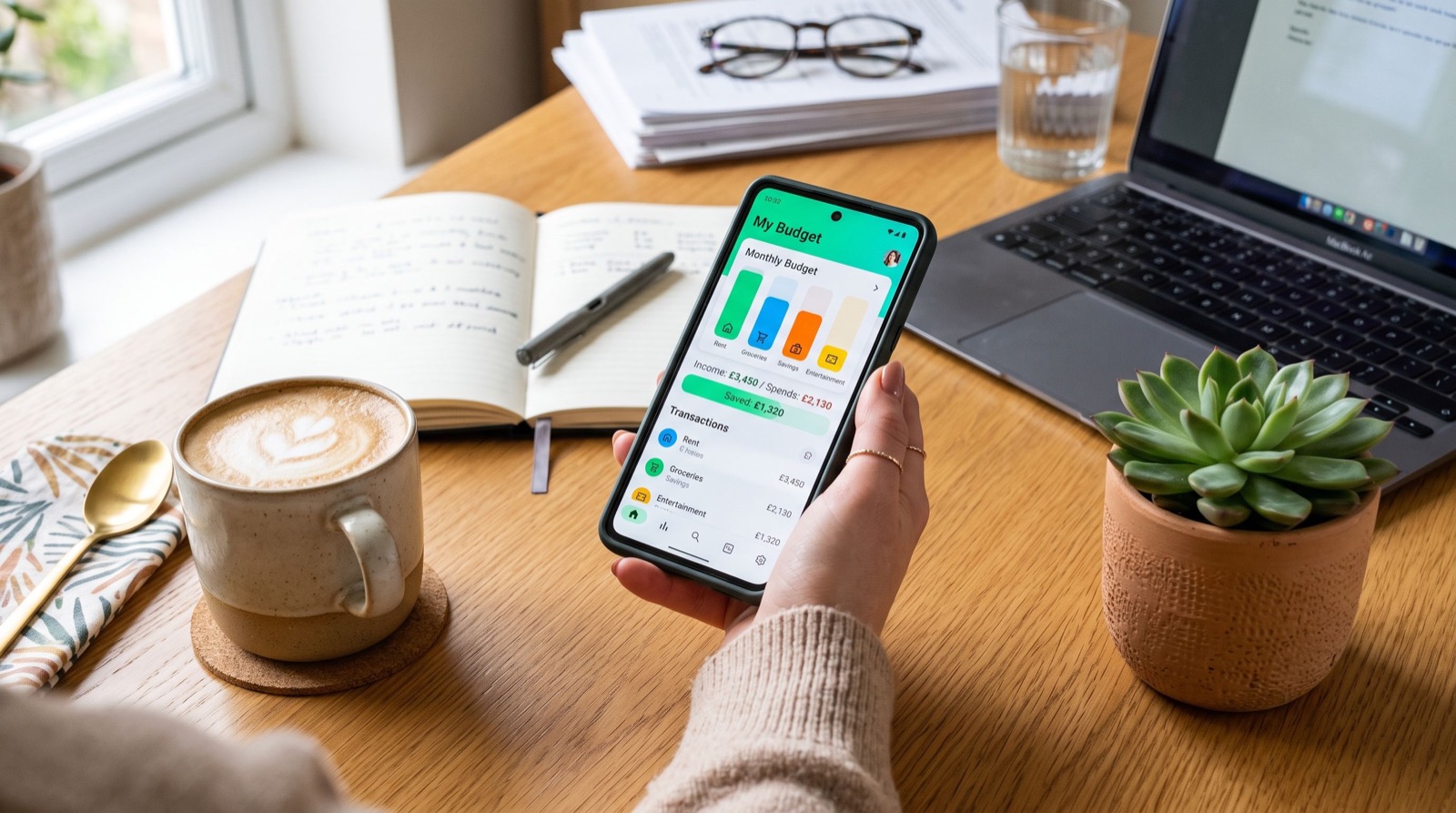
Budgeting apps are the foundation of the stack because they answer the most basic question: where does the money actually go? Once transactions sort themselves automatically, patterns you never noticed become obvious.
What to Look For
The strongest budgeting tools sync every account into one dashboard, categorize spending, and let you set flexible limits. Some use a zero-based method where every dollar gets a job, while others simply track and nudge. Match the philosophy to your personality.
If you want a curated starting point, a shortlist of the best money apps saves hours of trial and error comparing near-identical features.
Saving and Investing on Autopilot
Saving fails when it depends on willpower. Automation fixes that by moving money before you can spend it. The best options in this category make investing feel invisible.
| App type | Core benefit | Best for |
|---|---|---|
| Round-up investors | Invests spare change from purchases | Beginners with tight cash flow |
| High-yield savings | Higher interest than legacy banks | Emergency funds |
| Robo-advisors | Automated, diversified portfolios | Hands-off long-term investors |
| Micro-investing | Fractional shares from a few dollars | Learning the market safely |
Round-up tools are a clever gateway. By rounding each purchase to the next dollar and investing the difference, they build a portfolio from money you never miss. It is painless, and over a year those cents add up faster than most people expect.
Which Money Apps Help You Cut Bills?
Some of the most underrated money apps do not track spending at all. They fight it. Bill-negotiation and subscription-management tools scan your statements, flag recurring charges, and sometimes call providers on your behalf to lower rates.
- Connect the app to the account where your bills post.
- Review the list of detected subscriptions and forgotten free trials.
- Cancel what you do not use and let the app negotiate the rest.
Many users discover several dead subscriptions in the first scan alone. Killing three forgotten charges can cover the cost of every other app in your stack for the year.
Peer-to-Peer Payments and Everyday Spending
Splitting a dinner bill or sending rent to a roommate should take seconds. Payment apps handle that instantly, and many now bundle debit cards, cashback rewards, and even basic investing features. Choosing well-reviewed money apps in this category keeps your everyday cash flow smooth and traceable.
A Word on Fees
Watch for instant-transfer fees and credit-card surcharges. Standard transfers are usually free but take a day or two, so plan ahead rather than paying to rush money that could have waited.
Building Your Personal App Stack
You do not need a dozen apps. Most people thrive with three: one budgeter, one automated saver or investor, and one payment tool. Layering more than that often creates noise instead of clarity.
Think of it like hiring a small team. Each app has a clear role, and together they cover the whole field. When your finances grow complex enough for taxes, property, or a business, that is the moment to bring in human help. Just as homeowners weighing a solar upgrade lean on reputable service experts, big money decisions sometimes deserve a professional second opinion.
Common Mistakes to Avoid With Money Apps
Even the best money apps cannot help if you fall into a few common traps. Awareness of these pitfalls keeps your stack working for you instead of against you.
The first mistake is installing too many overlapping tools. Five budgeting apps do not budget five times better; they simply fragment your data and your attention. Pick one and commit.
The second is ignoring notifications. A well-configured alert about a low balance, an unusual charge, or a savings milestone is the whole point of automation. Silence those and you lose the early warning system you signed up for.
The third is chasing sign-up bonuses at the expense of long-term fit. A one-time reward means little if the app frustrates you within a month. Judge tools by their daily usefulness, not the promotional headline that got you in the door.
Review Your Stack Every Quarter
Set a calendar reminder to audit your apps four times a year. Cancel anything you have stopped opening, confirm every account link is still secure, and make sure your automated transfers still match your current goals. A ten-minute review keeps the whole system lean and trustworthy.
Frequently Asked Questions
Are money apps actually safe to link to my bank?
Reputable apps use encrypted, read-only connections through trusted aggregators, meaning they can view transactions but cannot move funds. Always enable two-factor authentication and download only from official app stores.
How many money apps should I use at once?
Three is the sweet spot for most people: a budgeter, an automated saver or investor, and a payment app. More than that usually adds clutter without adding real financial value.
Do the best money apps cost money?
Many offer strong free tiers, while premium features may cost a few dollars monthly. Judge the price against measurable results, such as bills cut or interest earned, rather than the sticker alone.
Can an app replace a financial advisor?
Apps handle budgeting, saving, and basic investing well. For complex taxes, estate planning, or large one-time decisions, a qualified human advisor still adds judgment that software cannot match.
Conclusion: Let Technology Do the Work
The best money apps of 2026 turn good intentions into automatic habits. Pick one tool for each core job, verify its security, and let the automation compound quietly in the background while you get on with life.
Start small this week by installing a single budgeting app and linking one account. Ready to build a smarter money system? Explore trusted app reviews and comparisons, then assemble the stack that fits your goals.