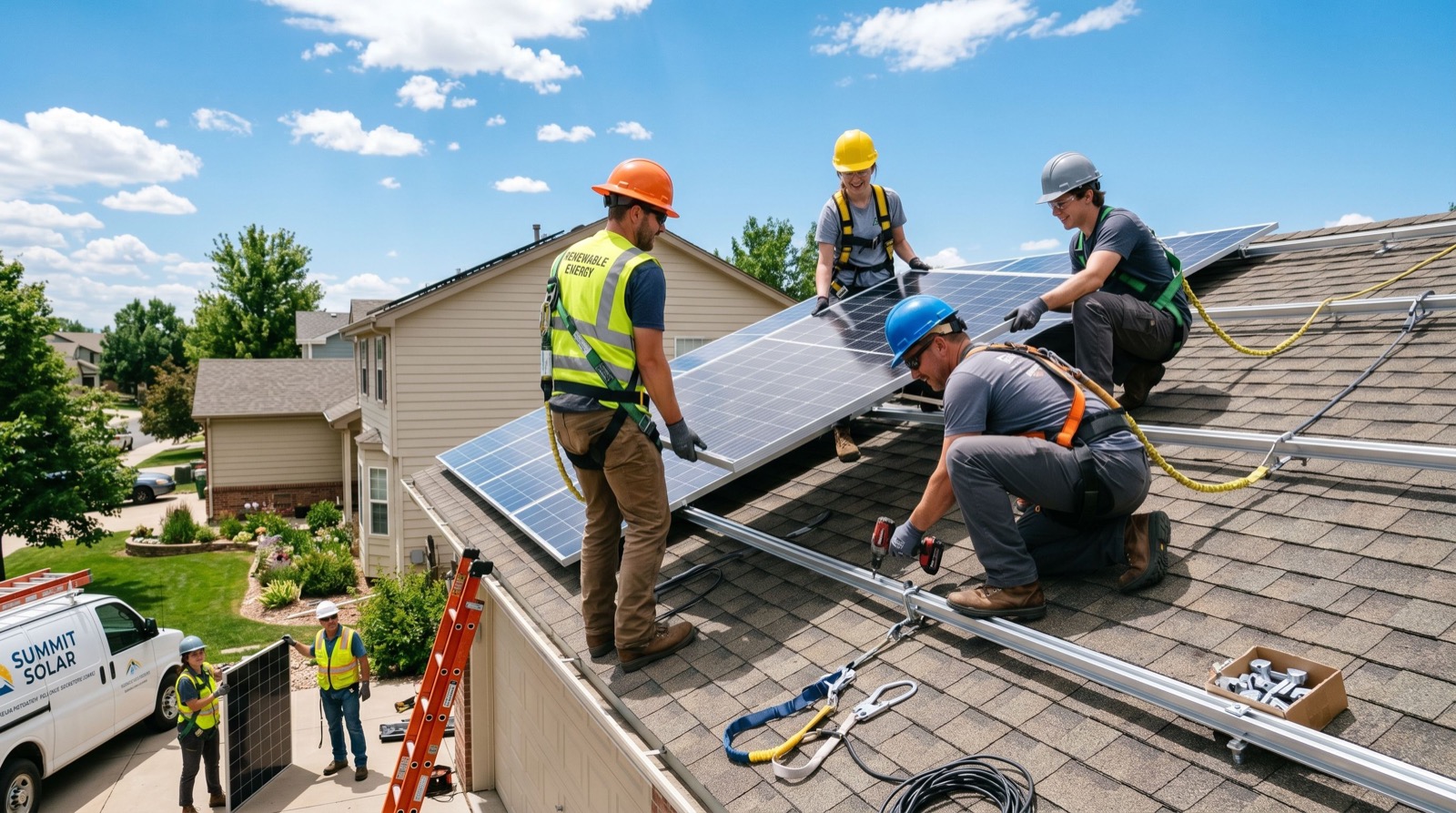
Net Metering in Pakistan 2026: A Complete Solar Guide
Net metering in Pakistan has quietly become the single biggest reason households and businesses are rushing to install solar panels in 2026. Instead of letting surplus daytime power go to waste, net metering lets you push those extra units onto the grid and subtract them from your bill. For many families, it turns a large monthly electricity cost into a small one, and sometimes into a credit.
Yet plenty of people still misunderstand how the system works, what approvals are needed, and how to size a solar array to make the most of it. This guide breaks the whole process down in plain language, from the meter on your wall to the savings in your pocket.
What Is Net Metering and How Does It Work?
Net metering is a billing arrangement that measures the difference between the electricity you draw from the grid and the surplus your solar system exports back to it. A bidirectional meter records both flows. At the end of the billing cycle, you pay only for the net units you consumed.
During sunny hours your rooftop often produces more than the house uses. That surplus flows outward and earns credit. After sunset, you draw from the grid and spend those credits. The result is a much smaller bill and a far faster payback on your solar investment.
The Role of NEPRA and Your DISCO
The rules are set nationally and applied locally. Tariffs and net-metering regulations come from NEPRA, while your distribution company, or DISCO, processes the actual application and installs the bidirectional meter. A capable installer manages this entire relationship on your behalf so you avoid weeks of back-and-forth paperwork.
Step-by-Step: Getting Net Metering Approved
The approval process is straightforward when handled by professionals, but the sequence matters. Here is how a typical connection unfolds in 2026.
- Complete a site survey and design a system sized to your consumption.
- Install the solar array with a net-metering-compatible inverter.
- Submit the load application and net-metering agreement to your DISCO.
- Pass the inspection of your wiring and safety equipment.
- Receive the bidirectional meter and start exporting surplus units.
Choosing an experienced local team removes most of the friction. If you want solar panels in Gujranwala installed and net-metered without headaches, insist on a contractor who has completed the DISCO process many times before.
How Much Can Net Metering Save You?
Savings depend on your consumption pattern, tariff slab, and system size. The table below shows a realistic snapshot for common residential and small-commercial systems in 2026.
| System Size | Monthly Units Generated | Typical Monthly Saving (PKR) | Best Suited For |
|---|---|---|---|
| 5 kW | 600 to 700 | 25,000 to 35,000 | Medium household |
| 10 kW | 1,200 to 1,400 | 50,000 to 70,000 | Large home or small office |
| 15 kW | 1,800 to 2,100 | 75,000 to 100,000 | Shop, clinic, or workshop |
These figures assume good sun exposure and net-metering approval. Cities across the country receive strong solar irradiation, which is why demand for solar panels in Karachi and other major hubs keeps rising every year.
Sizing Your System to Maximise Credits
The goal of net metering is to offset your annual bill, not to overbuild. Sizing your array to roughly match your yearly consumption gives the best return under current caps.
A Simple Sizing Method
- Gather twelve months of electricity bills and total the units.
- Divide by twelve to find your average monthly consumption.
- Aim for a system that produces about 90 to 100 percent of that average.
- Leave a small margin for future appliances or an electric vehicle.
Oversizing beyond your usage rarely pays off, because export credits are capped and unused surplus adds little value. A precise design from a qualified installer captures nearly all the benefit at the lowest cost.
Common Mistakes That Reduce Your Savings
Even with net metering, small errors chip away at returns. Watch for these pitfalls before you sign a contract.
First, shading. A single tree or water tank shadow can cut output far more than people expect, so a proper shading analysis is essential. Second, undersized cabling, which loses energy as heat in Pakistan’s climate. Third, hiring an installer with no net-metering experience, which delays approval and defers your savings for months.
Working with reliable local experts who understand both the engineering and the paperwork is the surest way to avoid these traps and start saving immediately.
Net Metering for Businesses and Industry
Commercial consumers often gain even more from net metering than households do. Shops, clinics, factories, and offices run their heaviest loads during daylight hours, exactly when solar production peaks. That alignment means a large share of generated power is consumed on-site, and the surplus still earns export credits.
Industrial rooftops also tend to be vast and unshaded, allowing bigger arrays with excellent yields. For a business paying commercial tariffs, the monthly saving from a well-sized system can be transformative, freeing capital for growth while insulating operations from future tariff hikes.
Documentation You Will Need
- A copy of a recent electricity bill and your reference number
- Your national identity document or business registration
- The net-metering agreement and load application forms
- System design details, including inverter and panel specifications
A seasoned installer prepares this paperwork for you, checks it for errors, and follows up with the DISCO until the bidirectional meter is installed. That hands-off experience is exactly what separates a smooth project from a stalled one.
Why Local Experience Speeds Up Approval
Every distribution company has its own quirks in how it processes applications, schedules inspections, and issues meters. An installer who works in your area every week already knows those quirks and the officials involved. That familiarity often shaves weeks off your timeline.
Local teams also arrive quickly for the physical inspection and any follow-up adjustments. When your savings depend on getting the meter changed promptly, proximity and relationships genuinely matter. This is why choosing an established regional contractor consistently outperforms hiring a distant firm chasing the lowest headline price.
Frequently Asked Questions
Do I need a battery to benefit from net metering?
No. Net metering uses the grid itself as your virtual battery. You export surplus by day and draw credits at night. Batteries are optional and mainly add backup power during load-shedding.
How long does net-metering approval take?
Once your system is installed, DISCO approval and meter changeover usually take a few weeks. The exact timeline varies by distribution company and how complete your application is.
Can businesses use net metering too?
Yes. Commercial and industrial consumers benefit greatly because their daytime load aligns with peak solar production, maximising self-consumption and export credits.
What happens to unused credits?
Surplus credits generally roll forward within the billing arrangement set by NEPRA. Because credits are capped, sizing your system to your actual consumption is the smartest strategy.
Conclusion
Net metering in Pakistan transforms solar from a nice-to-have into a genuine money-saving upgrade in 2026. By understanding how the bidirectional meter works, sizing your array correctly, and hiring an installer who manages the DISCO process, you can slash your electricity bill and recover your investment in just a few years. Get a professional survey, apply for net metering, and start turning sunshine into savings today.