Drive-Thru and Queue Management: The 2026 Customer-Flow Playbook
Speed now defines the customer experience. Whether diners idle in a lane or shoppers wait at a counter, every wasted minute chips away at loyalty and sales. A smart approach to drive-thru and queue management solves both problems at once, blending lane technology with in-branch flow control to keep people moving in 2026. For venues across the Gulf, a dedicated queue management system in saudi arabia brings order to counters, clinics, and service desks so no customer feels forgotten.
This playbook explains how the two systems reinforce each other, what to look for when buying, and how businesses across Saudi Arabia and Pakistan are cutting wait times with connected flow technology.
Why Drive-Thru and Queue Management Belong Together
Most customers interact with a brand in more than one way. They might order through a drive-thru lane today and visit the counter tomorrow. When those channels share one intelligence layer, operators see the full picture and staff the right stations at the right time.
According to QSR Magazine, drive-thru speed of service remains the single most scrutinized metric in quick-service dining. Pairing lane analytics with counter queuing lets managers balance both without hiring blindly.
- Unified data: one dashboard for lanes and counters.
- Dynamic staffing: move team members where demand spikes.
- Consistent experience: customers feel speed everywhere.
- Lower abandonment: fewer people drive off or walk out.
How Modern Drive-Thru Technology Works
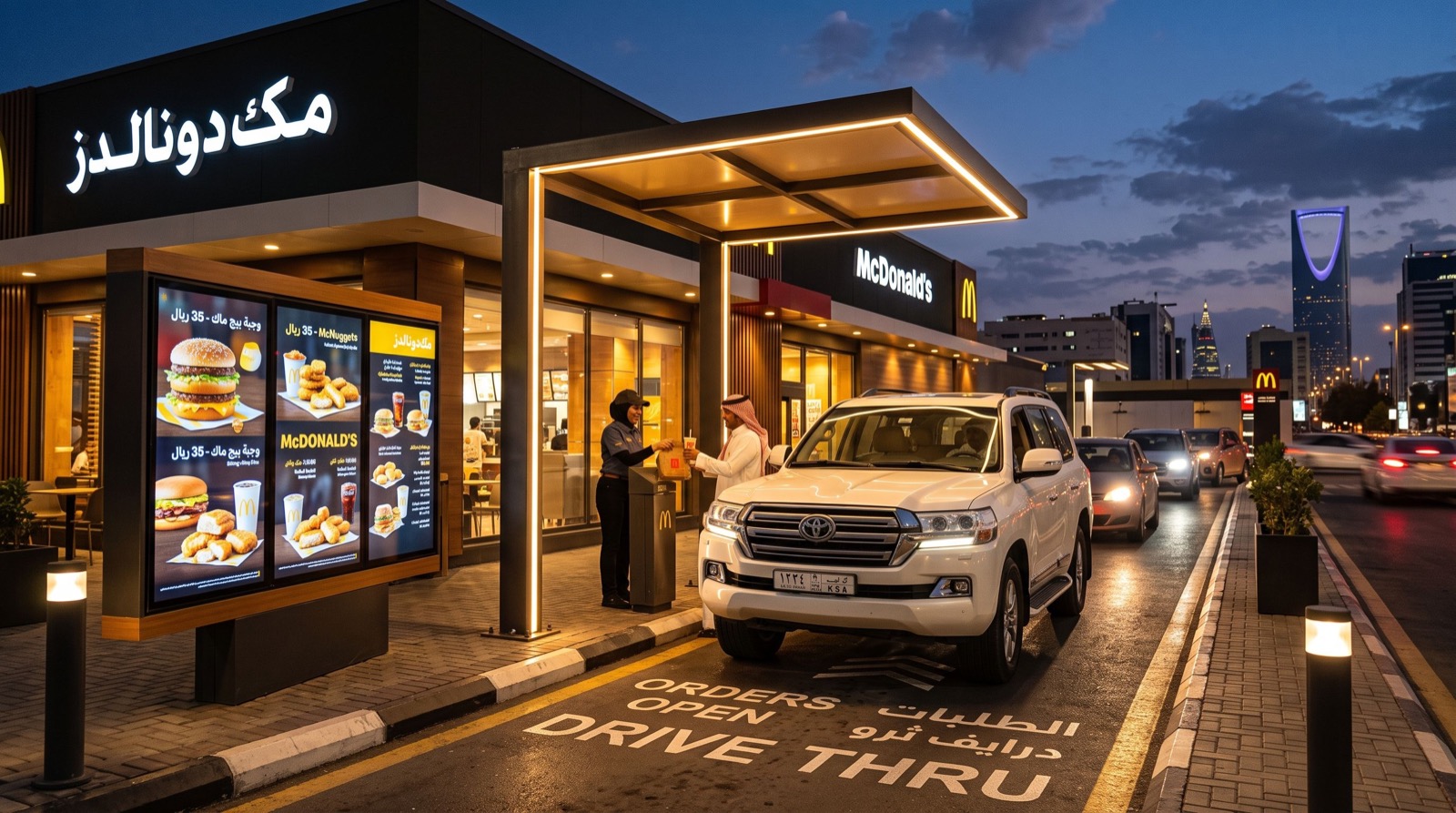
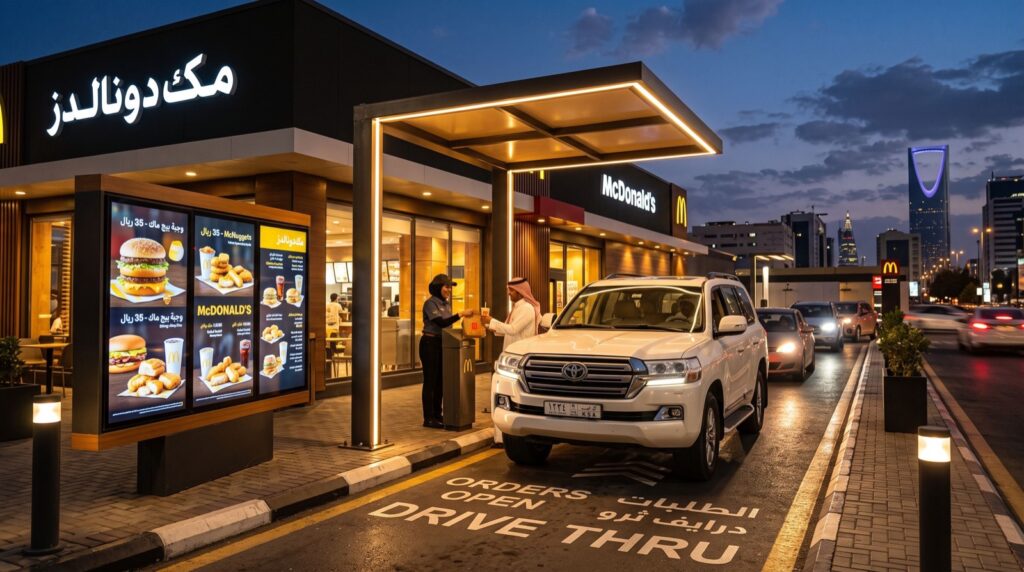
Today’s lanes are far smarter than a speaker box. Sensors detect vehicle arrival, timers track each stage, and digital menu boards adapt to time of day. The best deployments, like a well-engineered Drive Thru Solution in pakistan, connect order confirmation screens, kitchen displays, and payment in one tight loop.
The Lane Journey, Stage by Stage
- Detection: a sensor logs the vehicle and starts the timer.
- Order: staff take the order with a confirmation display.
- Preparation: the kitchen screen prioritizes the ticket.
- Payment and pickup: timers close the loop and record totals.
Every stage produces data. Managers then spot the slowest step and fix it, whether that means a second lane, a dedicated payment window, or more prep staff at lunch.
Bringing Order to the Counter
Inside the store, queue management mirrors that discipline. Customers take a ticket or check in by phone, screens call numbers, and analytics reveal peak pressure. Partnering with reliable local experts ensures the hardware and software suit your floor layout and language needs.
For multi-branch brands, a cloud platform rolls the same rules across every site. New locations inherit proven settings instead of starting from scratch.
Comparing Flow Metrics: Lane vs Counter
Both channels chase the same goal, shorter waits, but they measure it differently. The table clarifies what to track.
| Metric | Drive-Thru Lane | In-Branch Queue |
|---|---|---|
| Core KPI | Total lane time | Average wait time |
| Abandonment | Drive-offs | Walk-outs |
| Peak tool | Second lane | Extra counter |
| Data source | Vehicle sensors | Ticket system |
When these numbers feed one report, leadership makes faster, smarter calls about staffing and layout.
Which Businesses Benefit Most?
Any high-traffic, service-driven operation gains from connected flow technology. The clearest winners include:
- Quick-service restaurants juggling lanes and dine-in counters.
- Pharmacies offering both drive-up pickup and in-store service.
- Banks with drive-up ATMs and branch advisory desks.
- Telecom retailers handling fast top-ups and longer support visits.
In telecom, for instance, a quick SIM purchase should never sit behind a 30-minute device migration. Flow technology separates those journeys automatically.
What Should You Look for in a Vendor?
Choosing the right partner matters as much as the technology. Prioritize vendors who deliver end-to-end service, from site survey to ongoing support, and who prove results with real deployments in your region.
- Proven installations in Saudi Arabia, Pakistan, or similar markets.
- Bilingual interfaces and local-language support.
- Open integration with POS, CRM, and kitchen systems.
- Transparent service-level agreements and response times.
- Scalable licensing that grows with new branches.
Insist on a pilot. A short trial at your busiest site reveals far more than any brochure about how the system handles real pressure.
Implementation Tips That Save Money
Smart planning prevents costly rework. From first-hand rollouts, three habits stand out:
- Baseline first: measure current wait times before install, so you can prove the gain.
- Train the floor: staff adoption, not hardware, usually decides success.
- Review monthly: use the dashboard to retune staffing every few weeks.
Common Pitfalls and How to Avoid Them
Connected flow technology delivers only when it is deployed with care. From real rollouts across the region, a handful of mistakes quietly undermine results. Watch for these and your project stays on track.
- Measuring in silos: tracking lane speed and counter waits separately hides the full staffing picture and leads to poor scheduling.
- Overbuilding too early: a second lane or extra counters before data justifies them wastes capital that could fund training.
- Thin integration: a system that will not talk to your POS or kitchen display forces manual re-entry and multiplies errors.
- Weak local support: every hour of downtime at a busy lane costs real revenue, so response time matters as much as features.
What Trends Are Shaping Flow Technology in 2026?
The field is moving fast, and three developments stand out this year. Factoring them into your purchase keeps your operation future-ready.
- Predictive staffing: AI studies past traffic and recommends crew levels before the rush, smoothing both lanes and counters.
- Mobile-first ordering: customers increasingly order and pay from their phones, then simply collect, shrinking in-person wait entirely.
- Omnichannel dashboards: drive-thru, counter, curbside, and delivery now feed one unified view of demand.
Operators who adopt these early gain a measurable edge. Customers remember the brand that respected their time, and they return.
Frequently Asked Questions
Can drive-thru and queue management share one system?
Yes. Leading platforms in 2026 unify lane timers and in-branch ticketing under a single dashboard, giving managers one view of total customer flow and staffing needs.
How quickly can a drive-thru solution be installed?
A standard lane upgrade typically goes live within days once hardware arrives. Multi-site rollouts phase in branch by branch to limit disruption.
Does flow technology work for small businesses?
It does. Cloud licensing and modular hardware let a single pharmacy or café start small and expand as traffic grows, keeping upfront costs manageable.
What ROI can we expect?
Most operators see shorter wait times and lower abandonment within the first quarter, with staffing efficiency gains that quickly offset the subscription cost.
Final Thoughts
Combining drive-thru and queue management gives brands a single, powerful lever over customer experience. In 2026, when patience is thin and competition is fierce, connected flow technology keeps lanes short, counters calm, and customers coming back. Start with a baseline, pilot with a trusted partner, and let the data guide every improvement from there.